This webpage provides a comprehensive examination of Moroccan Jewish immigration and settlement patterns in the United States, serving as part of a larger resource dedicated to documenting the Moroccan Jewish diaspora. The page's primary focus is to trace the historical timeline, geographic distribution, and cultural integration challenges faced by Moroccan Jews who made America their home, from early 19th-century pioneers to modern immigrant communities concentrated in major metropolitan areas.
The content reveals that most of the estimated 25,000 Moroccan Jews in the United States arrived after 1973, with the majority settling in Los Angeles, Miami, and New York. Notably, few immigrated directly from Morocco due to restrictive U.S. immigration laws and language barriers. Instead, most followed indirect migration paths—first moving to France, Canada, Israel, or Latin America before eventually relocating to the United States. The page highlights fascinating early immigrants like Moses Elias Levy from Mogador (Essaouira), who established the Pilgrimage Plantation in Florida as an agricultural refuge for persecuted European Jews in 1821, and his son David Levy Yulee, who became Florida's first Jewish U.S. Senator. The multilingual nature of this community is emphasized, with many immigrants being francophone due to their education in Alliance Israélite Universelle schools, while others spoke Spanish, Portuguese, or English depending on their intermediate destinations.
The webpage addresses significant cultural and social integration challenges within the broader American Jewish community. It documents how Moroccan Jews initially faced resistance from established Sephardic communities due to differences in language, prayer traditions, and cultural practices, while also experiencing discrimination from Ashkenazi Jews who dominate American Jewish institutions. Over time, Moroccan Jews responded by establishing their own religious and cultural infrastructure, including synagogues like the Em Habanim Congregation in Los Angeles, along with specialized groceries, butchers, and bakers to maintain their distinct traditions.
The page serves as both a historical archive and cultural documentation, featuring rare photographs including images of Moses Elias Levy and David Levy Yulee, as well as contemporary photos of community leaders. It appears designed for researchers, genealogists, and community members interested in Moroccan Jewish history, providing specific details about settlement patterns, integration challenges, and the preservation of cultural identity within the American Jewish mosaic. The content demonstrates scholarly rigor while remaining accessible to general readers interested in immigration history and Jewish diaspora studies.
Cette page web présente une analyse approfondie de l'histoire et de la présence actuelle des Juifs marocains aux États-Unis, constituant une ressource documentaire précieuse sur cette communauté diasporique méconnue. Le site MoroccanJews.org offre ici un panorama détaillé de l'immigration juive marocaine américaine, estimée à environ 25 000 personnes selon les estimations communautaires, principalement concentrées à Los Angeles, Miami et New York. L'accent est mis sur les particularités de cette immigration, qui s'est largement effectuée de manière indirecte après 1973, les migrants transitant d'abord par la France, le Canada, Israël ou l'Amérique latine avant de s'installer définitivement aux États-Unis.
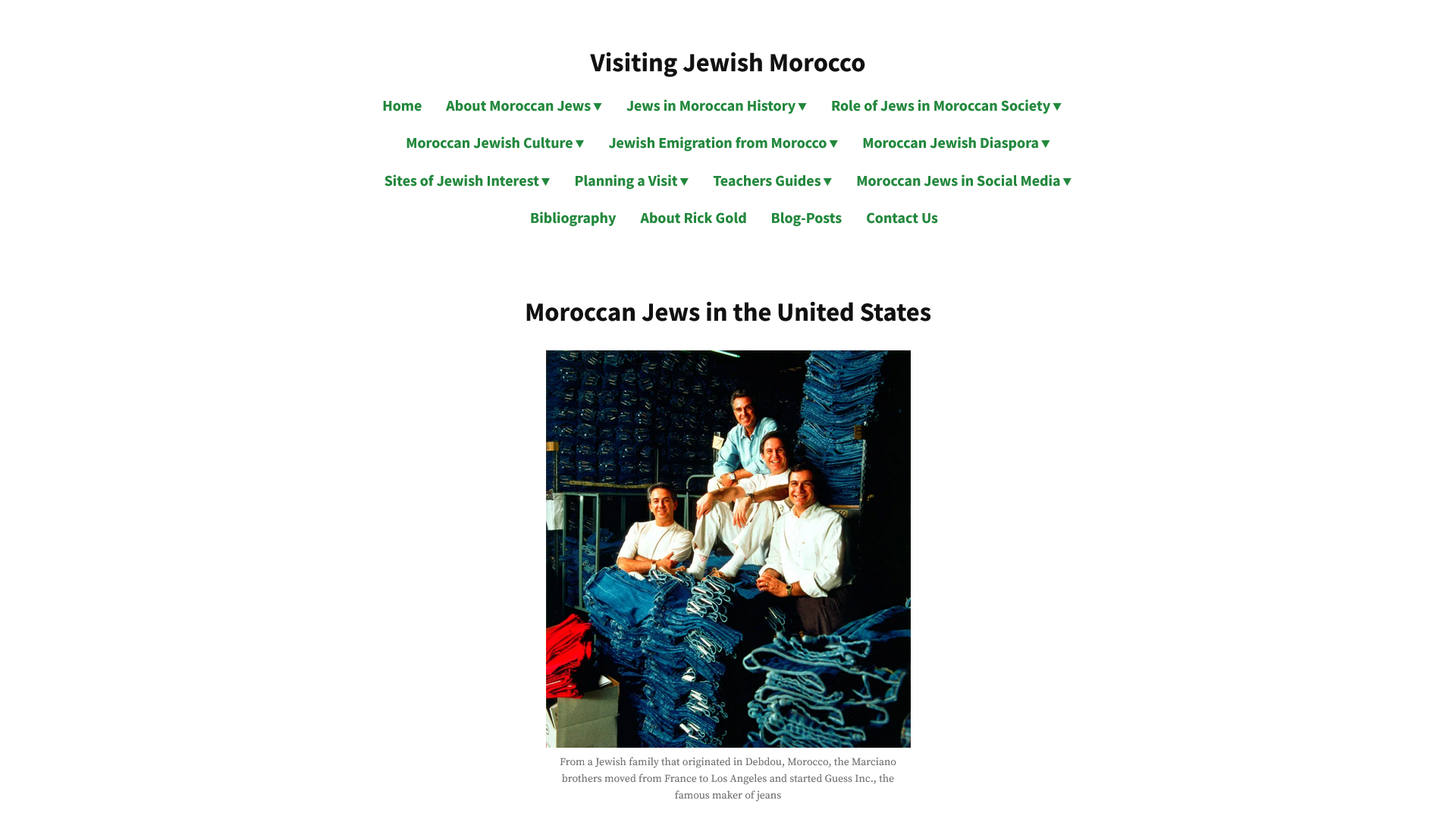
Le contenu révèle des éléments historiques fascinants, notamment le parcours exceptionnel de Moses Elias Levy, né à Mogador (aujourd'hui Essaouira) au début du XIXe siècle, qui devint un pionnier de l'agriculture et de la philanthropie en Floride. Sa "Pilgrimage Plantation" représentait un projet visionnaire de refuge agricole coopératif pour les Juifs persécutés d'Europe, malheureusement détruit par la guerre en 1835. Son fils David Levy Yulee marqua l'histoire politique américaine en devenant sénateur de Floride et dirigeant la construction du Florida Railroad. La page documente également l'évolution contemporaine de la communauté, mentionnant notamment les frères Marciano, originaires de Debdou au Maroc, qui fondèrent l'empire vestimentaire Guess Inc. après leur passage par la France.
L'analyse sociologique présentée met en lumière les défis d'intégration spécifiques rencontrés par cette communauté au sein du judaïsme américain. Les auteurs expliquent comment les Juifs marocains, initialement orientés vers les communautés séfarades existantes, ont dû faire face à des résistances culturelles liées à leurs différences linguistiques, leurs mélodies liturgiques distinctes et leurs traditions spécifiques. Face à cette situation et parfois confrontés au racisme de certaines institutions juives dominées par les Ashkénazes, ils ont progressivement développé leurs propres infrastructures communautaires : synagogues, centres culturels, commerces alimentaires spécialisés. Cette dynamique d'autonomisation communautaire illustre les complexités de l'intégration diasporique et la richesse du pluralisme juif américain, faisant de cette page une ressource académique et culturelle importante pour comprendre les migrations juives contemporaines et leurs enjeux identitaires.
דף האינטרנט עוסק בתולדות היהודים המרוקאים בארצות הברית ומתחקה אחר דפוסי ההגירה והשתלבותם בחברה האמריקאית. המטרה העיקרית של הדף היא לתעד את ההיסטוריה הייחודית של קהילה יהודית זו שמקורותיה במרוקו, החל ממהגרים בודדים במאה ה-19 ועד להתבססותן של קהילות מאורגנות במאה ה-20. הדף מספק מבט מקיף על האתגרים והמסלולים השונים שדרכם הגיעו יהודים מרוקאים לארה"ב, כולל הגירה עקיפה דרך צרפת, קנדה, ישראל ואמריקה הלטינית.
התוכן מציג נתונים מרכזיים על כ-25,000 יהודים מרוקאים המתגוררים כיום בארה"ב, המתרכזים בעיקר בלוס אנג'לס, מיאמי וניו יורק. הדף מתאר כיצד חוקי הגירה מגבילים וחוסר ידיעת האנגלית הובילו רבים מהם לבחור במסלולי הגירה עקיפים. נקודת מפנה חשובה הייתה שנות ה-70, כאשר מאות יהודים מרוקאים החלו לעבור לארה"ב ממדינות אחרות. הטקסט מדגיש את התופעה המעניינת של האחים מרסיאנו, ממשפחה יהודית שמקורה בדבדו שבמרוקו, שעברו מצרפת ללוס אנג'לס והקימו את חברת Guess Inc. הידועה.
מבחינה היסטורית ותרבותית, הדף מעניק תשומת לב מיוחדת לדמויות חלוציות כמו משה אליהו לוי, שנולד במוגדור (עסאוירה היום) ובמאה ה-19 היה בין המעטים שהיגרו ישירות למה שיהפוך לפלורידה. לוי הקים מטע חקלאי שיתופי בשם "Pilgrimage Plantation" כמקום מפלט ליהודים שסבלו מרדיפות באירופה, וניהל קמפיין חלוצי לחינוך חינם בבתי ספר ציבוריים. בנו, דוד לוי יולי, הפך לסנטור הראשון בקונגרס האמריקאי ממוצא יהודי-מרוקאי.
הדף מתאר גם את האתגרים הייחודיים שעמדו בפני המהגרים המרוקאים בהשתלבותם בקהילות יהודיות קיימות בארה"ב. הטקסט מתעד התנגדות ראשונית של חלק מהקהילה הספרדית והאשכנזית לקלוט יהודים מרוקאים בשל הבדלי שפה, מנהגי תפילה ותרבות. בתגובה לכך, היהודים המרוקאים פיתחו מוסדות קהילתיים עצמאיים כולל בתי כנסת, מרכזי תרבות וחנויות מזון מיוחדות. הדף כולל גם תמונות היסטוריות נדירות ומתעד את פעילותה של קהילת Em Habanim בלוס אנג'לס, המדגימה את השמירה על הזהות המרוקאית-יהודית בהקשר האמריקאי.
تتناول هذه الصفحة من موقع "moroccanjews.org" موضوع اليهود المغاربة في الولايات المتحدة الأمريكية، وهي جزء من قسم أوسع يتعلق بالشتات اليهودي المغربي حول العالم. تهدف الصفحة إلى توثيق وتسليط الضوء على تاريخ وحاضر الجالية اليهودية المغربية في أمريكا، من خلال تتبع موجات الهجرة المختلفة وأنماط الاستقرار والاندماج الثقافي. تبدأ الصفحة بمثال معاصر لافت وهو الأخوان مارسيانو اللذان ينتميان لعائلة يهودية من دبدو بالمغرب، والذان انتقلا من فرنسا إلى لوس أنجلوس وأسسا شركة "جيس" الشهيرة لصناعة الجينز.
يكشف المحتوى أن معظم اليهود المغاربة في الولايات المتحدة، والمقدر عددهم بحوالي 25,000 شخص، يتركزون بشكل أساسي في لوس أنجلوس وميامي ونيويورك، وقد وصل أغلبهم بعد عام 1973. ما يميز هذه الهجرة أنها لم تكن مباشرة من المغرب في معظم الحالات، بل جاء المهاجرون من محطات وسطية شملت فرنسا وكندا وإسرائيل وأمريكا اللاتينية. ويعزو النص هذا النمط إلى قوانين الهجرة الأمريكية المقيدة ونقص إتقان اللغة الإنجليزية، مما جعل الولايات المتحدة خياراً ثانوياً لكثير من اليهود المغاربة. كما يسلط الضوء على شخصيات تاريخية مهمة مثل موسى إلياس ليفي المولود في الصويرة (موغادور سابقاً) في القرن التاسع عشر، والذي أصبح مزارعاً وفاعل خير في فلوريدا وأسس "مزرعة الحج" كملجأ زراعي تعاوني لليهود الفارين من الاضطهاد الأوروبي.
تتطرق الصفحة إلى التحديات الثقافية والاجتماعية التي واجهتها الجالية اليهودية المغربية في الاندماج ضمن النسيج اليهودي الأمريكي. فرغم توجه كثير من المهاجرين المغاربة في البداية للأحياء السفاردية (المنحدرة من يهود الأندلس)، إلا أن الجالية السفاردية أبدت مقاومة لاندماجهم بسبب اختلاف اللغات وألحان الصلاة والثقافة. كما واجه بعضهم تمييزاً من اليهود الأشكناز الذين يهيمنون على المؤسسات اليهودية الأمريكية. هذا دفع اليهود المغاربة لتطوير مؤسساتهم الخاصة من معابد ومراكز ثقافية ومحلات تجارية متخصصة. تتميز الصفحة بتوفيرها صوراً تاريخية نادرة ومعلومات دقيقة عن الأعداد والتوزيع الجغرافي، مما يجعلها مرجعاً قيماً للباحثين المهتمين بتاريخ الجاليات اليهودية والهجرة من المغرب.
Esta página web se dedica a documentar la historia y características de la diáspora judía marroquí en Estados Unidos, ofreciendo un análisis exhaustivo de los patrones migratorios y la integración de esta comunidad específica. El sitio forma parte de un proyecto más amplio sobre los judíos marroquíes dispersos por el mundo, centrándose en cómo esta población ha establecido comunidades en territorio estadounidense desde el siglo XIX hasta la actualidad.
El contenido revela que la mayoría de los aproximadamente 25,000 judíos marroquíes en Estados Unidos no emigraron directamente desde Marruecos, sino que llegaron después de 1973 procedentes de Francia, Canadá, Israel y América Latina. Las restrictivas leyes de inmigración estadounidenses y las barreras idiomáticas desalentaron la migración directa desde Marruecos. Geográficamente, se concentran principalmente en Los Ángeles (que alberga la mayor comunidad), Miami y Nueva York, con unos 2,000 residentes en el área metropolitana de esta última ciudad. La página destaca casos históricos notables como Moses Elias Levy, nacido en Mogador (actual Essaouira), quien en 1821 estableció en Florida la "Plantación Peregrinaje", un refugio agrícola cooperativo para judíos europeos perseguidos, y su hijo David Levy Yulee, quien se convirtió en el primer senador judío de Estados Unidos.
El análisis histórico abarca desde los primeros inmigrantes del siglo XIX hasta las oleadas migratorias del siglo XX, explicando cómo muchos judíos marroquíes francófonos, especialmente aquellos educados en escuelas de la Alliance Israélite Universelle, utilizaron Francia y Quebec como escalas migratorias antes de establecerse definitivamente en Estados Unidos. La página documenta los desafíos de integración que enfrentaron dentro de las comunidades judías estadounidenses existentes, incluyendo la resistencia inicial de los sefardíes ya establecidos y experiencias de discriminación por parte de las instituciones judías dominadas por judíos asquenazíes, lo que eventualmente llevó al desarrollo de sus propias sinagogas, centros culturales y negocios especializados.
Como elemento distintivo, la página incluye fotografías históricas raras, como la de Moses Elias Levy, y combina datos demográficos contemporáneos con narrativas históricas detalladas. El sitio está dirigido tanto a académicos interesados en estudios de migración judía como a miembros de la comunidad judía marroquí que buscan comprender su herencia diaspórica. La información se presenta con un enfoque académico riguroso, citando fuentes específicas y proporcionando contexto histórico sobre las comunidades sefardíes y del Medio Oriente en Estados Unidos, que representan entre 250,000 y 300,000 personas de los aproximadamente 7 millones de judíos estadounidenses.
Citation (APA Style)
Moroccan Jews in the United States – Visiting Jewish Morocco. (2025, 11 23).
moroccanjews.org.
https://moroccanjews.org/home/moroccan-jewish-diaspora/moroccan-jews-in-the-united-states/