This JNS (Jewish News Syndicate) article explores the revitalization of Moroccan Jewish identity and cultural connections following Morocco's normalization of diplomatic relations with Israel in December 2020. As part of JNS's series highlighting Jewish ethnic minorities, the piece examines how the historic agreement has renewed opportunities for the vast Moroccan Jewish diaspora to reconnect with their ancestral homeland. The article particularly focuses on the experiences of Moroccan Jews in North America and Israel, interviewing community leaders about the cultural and emotional significance of this diplomatic breakthrough.
The article provides crucial historical context, detailing how Morocco's Jewish community, which dates back over 2,500 years and once numbered around 265,000 people, experienced a dramatic exodus following Israel's establishment in 1948 and subsequent political changes. Rabbi Gad Bouskila of Brooklyn's Orthodox Netivot Israel Synagogue—identified as the first Moroccan Jewish community in New York—explains how the normalization has made the community "very happy" as it will allow younger generations of Moroccan Jews born in Israel to "see the roots of their grandparents" for the first time. The demographic shift is stark: today only 2,100 Jews remain in Morocco, while 1 million Moroccan Jews live in Israel, making them the second-largest Israeli Jewish community after Russian Jews, with additional populations of 40,000 in France, 27,000 in Canada, and 25,000 in the United States.
The piece emphasizes themes of cultural preservation and renewed pride within the diaspora community. Bouskila recounts how 35 years ago, he witnessed significant assimilation among Moroccan Jews in the tri-state area, prompting him to establish the first Moroccan Jewish synagogue in the region to help restore communal identity and confidence. He describes teaching traditional piyyutim (Jewish liturgical poems) and customs to both children and adults, noting that family and food remain central to Moroccan Jewish heritage. The normalization agreement has already yielded concrete results, including the reopening of liaison offices, plans for reciprocal embassies, direct flights between the countries, and Morocco becoming the first nation to incorporate Jewish history and culture into its school curriculum—all developments that promise to strengthen the cultural bridges between Morocco's small remaining Jewish population and the global Moroccan Jewish diaspora.
Cette page web présente un article approfondi du Jewish News Syndicate (JNS) qui explore la situation des Juifs marocains et leur héritage culturel suite à la normalisation diplomatique entre le Maroc et Israël en décembre 2020. L'article s'inscrit dans une nouvelle série intitulée "Jewish Minority Voices" qui vise à mettre en lumière les voix des communautés juives minoritaires et à célébrer la diversité du peuple juif. Le focus principal porte sur l'impact de ces accords de normalisation sur une communauté diasporique riche d'une histoire millénaire, mais aujourd'hui drastiquement réduite dans son pays d'origine.
L'article révèle des données saisissantes sur l'évolution démographique des Juifs marocains : alors que la communauté comptait environ 265 000 membres en 1948 (répartis entre le Maroc français, espagnol et la zone internationale de Tanger), elle ne représente plus aujourd'hui que 2 100 personnes. En contraste, un million de Juifs d'origine marocaine vivent désormais en Israël, constituant la deuxième plus grande communauté juive israélienne après les Juifs russes. La diaspora s'étend également vers la France (40 000), le Canada (27 000) et les États-Unis (25 000). Le rabbin Gad Bouskila de la synagogue orthodoxe Netivot Israel à Brooklyn, première communauté juive marocaine de l'État de New York, témoigne que cette normalisation permettra aux jeunes Marocains nés en Israël de "voir les racines de leurs grands-parents".
L'article met en évidence les efforts remarquables de préservation culturelle entrepris par les communautés marocaines en diaspora, particulièrement en Amérique du Nord. Le rabbin Bouskila décrit comment l'ouverture de la première synagogue marocaine dans la région tri-étatique il y a 35 ans a redonné "une identité" à cette communauté et l'a aidée à "retrouver sa confiance". Il enseigne désormais les piyyutim traditionnels (poèmes liturgiques juifs) et les traditions pour maintenir vivante la culture marocaine, soulignant que la famille et la nourriture restent centrales dans cet héritage. L'article rappelle également les racines historiques profondes de cette communauté, remontant à plus de 2 500 ans, et son rôle crucial dans "l'âge d'or" du Maroc entre le IXe et XIe siècles, lorsque les Juifs étaient nombreux et influents dans la région, particulièrement à Fès.
**הנושא העיקרי והמטרה**: דף זה מוקדש לבחינת השפעת הנורמליזציה בין ישראל למרוקו על הקהילה היהודית המרוקאית ושמירת המורשת שלה. המאמר הוא חלק מסדרת כתבות חדשה של JNS המיועדת להעלות קולות של מיעוטים אתניים בתוך הקהילה היהודית, תוך חגיגת "הפסיפס היפה שהוא העם היהודי". המטרה העיקרית היא לכבד את הניואנסים והקשרים הפנימיים של הקהילה היהודית הגלובלית דרך הדגשת סיפורם הייחודי של יהודי מרוקו.
**תוכן מרכזי ותובנות**: המאמר מציג תמונה דרמטית של ההיסטוריה היהודית-מרוקאית המודרנה. מקהילה של כ-265,000 יהודים במרוקו ב-1948, נותרו היום רק 2,100 איש, בעוד שכמיליון יהודים מרוקאים חיים בישראל. הרב גד בוסקילה מבית הכנסת "נתיבות ישראל" האורתודוקסי בברוקלין מסביר כי הנורמליזציה עם מרוקו עשתה את הקהילה היהודית המרוקאית בצפון אמריקה "שמחה מאוד". לדבריו, "אנו מבקרים במרוקו לעתים קרובות, אז הקשר הזה יאפשר לצעירים מרוקאים רבים שנולדו בישראל, שעדיין לא יכלו לנסוע למרוקו, לראות את השורשים של סבותיהם". המאמר מציין כי לאחר האקסודוס הגדול, מוסדות יהודיים במרוקו נסגרו ותעמולה אנטי-יהודית גברה.
**רקע היסטורי ותרבותי**: המאמר מדגיש את העומק ההיסטורי של הקהילה היהודית המרוקאית, ששורשיה חוזרים לפני יותר מ-2,500 שנה. יהודים רבים התיישבו בעיר פאס והביאו איתם יכולות כלכליות שתרמו ל"תור הזהב" של מרוקו מהמאה ה-9 עד ה-11, כאשר היהודים היו רבים ובעלי כוח באזור. לפי נתוני הלשכה המרכזית לסטטיסטיקה מדצמבר 2011, המרוקאים מהווים את הקהילה היהודית הישראלית השנייה בגודלה אחרי יהודי רוסיה. המאמר מציין שמרוקו הפכה למדינה הראשונה שהחלה ללמד היסטוריה ותרבות יהודית בבתי הספר שלה.
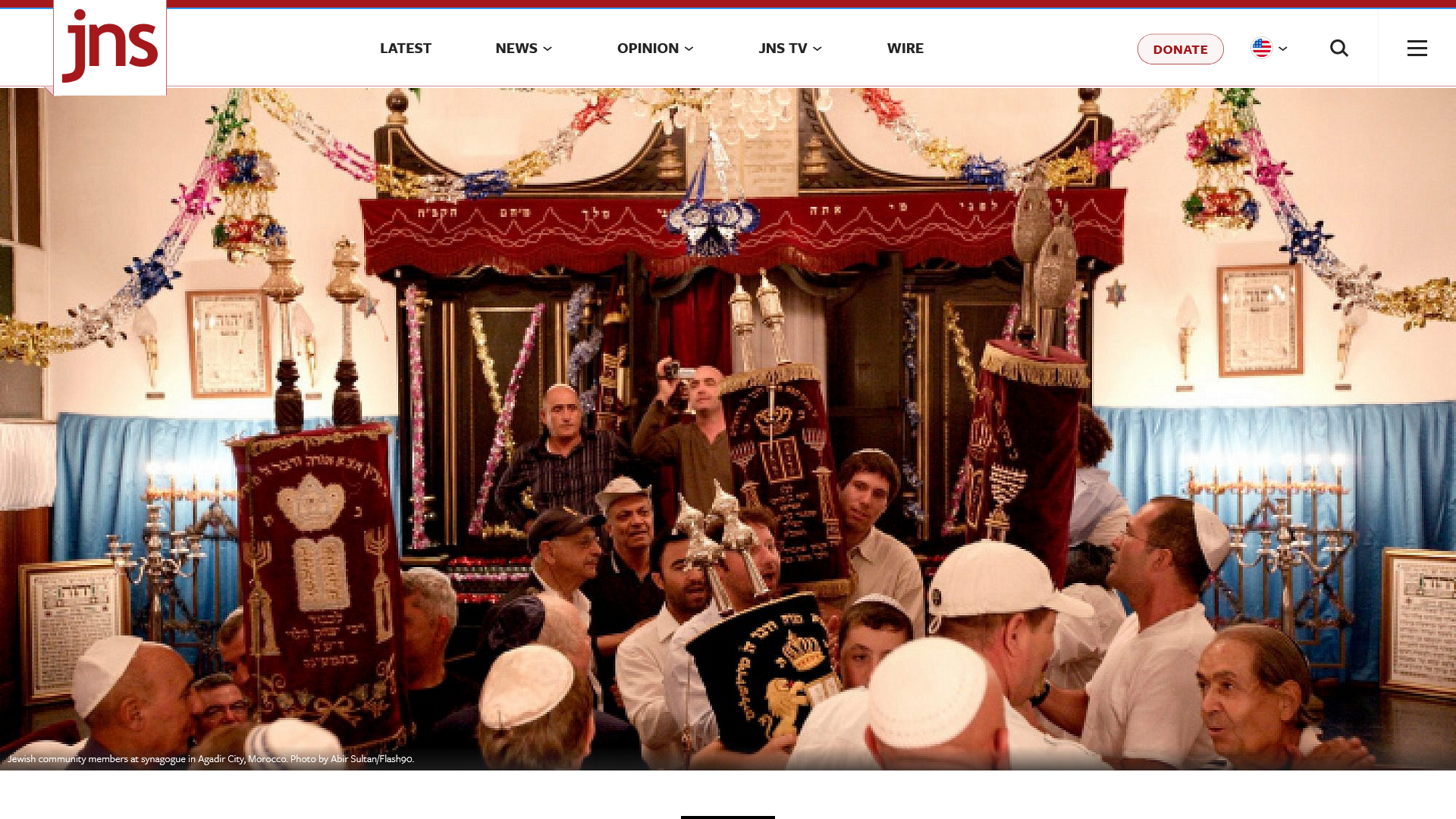
**אלמנטים בולטים**: הכתבה כוללת צילומים משמעותיים, כגון חברי קהילה יהודית בבית כנסת באגאדיר ותמונות מביקורים של ישראלים בקבר "הרב חיים פינטו" בבית הקברות היהודי הישן באסווירה. המאמר מדגיש את תפקידו החיוני של הרב בוסקילה בשמירת הזהות המרוקאית-יהודית, כשהוא מספר כי "לפני 35 שנה, ראיתי התבוללות גדולה של יהודים מרוקאים לאזור שלושת המדינות [ניו יורק, ניו ג'רזי וקונטיקט], ופתחתי את בית הכנסת הראשון אי פעם ליהודים מרוקאים באזור". לדבריו, זה נתן להם זהות ועזר להחזיר את הביטחון שלהם, ועכשיו הם גאים להעביר את המורשת והמסורת שלהם לילדיהם.
يتناول هذا المقال من موقع JNS (Jewish News Syndicate) موضوعاً مهماً حول انعكاسات التطبيع المغربي الإسرائيلي على الجالية اليهودية المغربية حول العالم، وذلك ضمن سلسلة جديدة تهدف إلى إبراز أصوات الأقليات اليهودية المختلفة. يركز المقال على كيفية تأثير الاتفاق الذي وُقع في ديسمبر 2020 بين المغرب وإسرائيل لإقامة علاقات دبلوماسية رسمية على مجتمع يضم حوالي مليون يهودي مغربي يعيشون في إسرائيل، مقارنة بـ 2100 يهودي فقط ما زالوا يعيشون في المغرب اليوم.
يقدم المقال سياقاً تاريخياً مفصلاً للوجود اليهودي في المغرب الذي يمتد لأكثر من 2500 عام، مع التركيز على "العصر الذهبي" للمغرب بين القرنين التاسع والحادي عشر عندما كان اليهود عديدين ومؤثرين في المنطقة. ويوثق المقال الهجرة الجماعية التي حدثت بعد تأسيس إسرائيل عام 1948، عندما اضطر معظم اليهود للمغادرة من مجتمع كان يضم حوالي 265 ألف يهودي. يستشهد المقال بالحاخام جاد بوسكيلا من كنيس نتيفوت إسرائيل في بروكلين، نيويورك، والذي أسس أول مجتمع يهودي مغربي في الولاية، حيث يعبر عن سعادة الجالية بالتطبيع لأنه سيتيح للشباب المغاربة المولودين في إسرائيل زيارة "جذور أجدادهم".
المقال جزء من مبادرة إعلامية أوسع تهدف إلى "تكريم الفروق الدقيقة والترابط" في التاريخ اليهودي العالمي من خلال إبراز أصوات الأقليات اليهودية العرقية المختلفة. يسلط الضوء على النجاحات التي حققها اليهود المغاربة في أمريكا الشمالية في مختلف المجالات المهنية، خاصة العقارات وهوليوود، كما يناقش جهود الحفاظ على الهوية الثقافية من خلال تعليم التقاليد والـ"پيوطيم" (القصائد الليتورجية اليهودية) للأجيال الجديدة. يتضمن المقال صوراً توثيقية من المغرب ومعطيات إحصائية دقيقة حول توزع الجاليات اليهودية المغربية عالمياً، حيث يُقدر وجود 40 ألفاً في فرنسا و27 ألفاً في كندا و25 ألفاً في الولايات المتحدة.
Esta página web presenta un artículo de JNS (Jewish News Syndicate) que forma parte de una serie dedicada a destacar las voces de las minorías étnicas judías, específicamente enfocándose en la comunidad judía marroquí y su respuesta a la normalización de relaciones diplomáticas entre Marruecos e Israel en diciembre de 2020. El artículo, escrito por Eliana Rudee y publicado el 4 de marzo de 2021, examina cómo este histórico acuerdo ha impactado a las comunidades judías marroquíes dispersas alrededor del mundo y ha renovado el interés por preservar su rica herencia cultural.
El contenido revela datos demográficos impactantes sobre la diáspora judía marroquí: mientras que en la actualidad solo quedan aproximadamente 2,100 judíos en Marruecos, cerca de un millón de judíos marroquíes viven en Israel, constituyendo la segunda comunidad judía más grande del país después de los judíos rusos. La pieza incluye testimonios del Rabino Gad Bouskila de la Sinagoga Ortodoxa Netivot Israel en Brooklyn, quien fundó la primera comunidad judía marroquí en Nueva York hace 35 años y describe cómo la normalización ha traído gran alegría a la comunidad, especialmente porque permitirá a los jóvenes marroquíes nacidos en Israel visitar por primera vez las tierras de sus antepasados.
El artículo proporciona un contexto histórico profundo, explicando que las raíces de la comunidad judía marroquí se remontan a más de 2,500 años, con un período dorado entre los siglos IX y XI cuando los judíos eran numerosos e influyentes en la región. Sin embargo, tras el establecimiento de Israel en 1948 y especialmente después de la muerte del Rey Mohammad V en 1961, las restricciones sobre la emigración judía causaron un éxodo masivo que resultó en el cierre de instituciones judías como escuelas, yeshivás y sinagogas, junto con un aumento de la propaganda antijudía. La normalización actual representa no solo un momento diplomático histórico, sino también una oportunidad para reconectar con tradiciones culturales que incluyen piyyutim (poemas litúrgicos judíos), valores familiares y tradiciones culinarias que las comunidades de la diáspora han trabajado arduamente por preservar en lugares como Estados Unidos, Francia y Canadá.
Citation (APA Style)
Moroccan Jews reflect on their heritage and tradition post-normalization with Israel - JNS.org. (2025, 11 23).
www.jns.org.
https://www.jns.org/moroccan-jews-reflect-on-their-heritage-and-tradition-in-the-wake-of-israel-normalization/